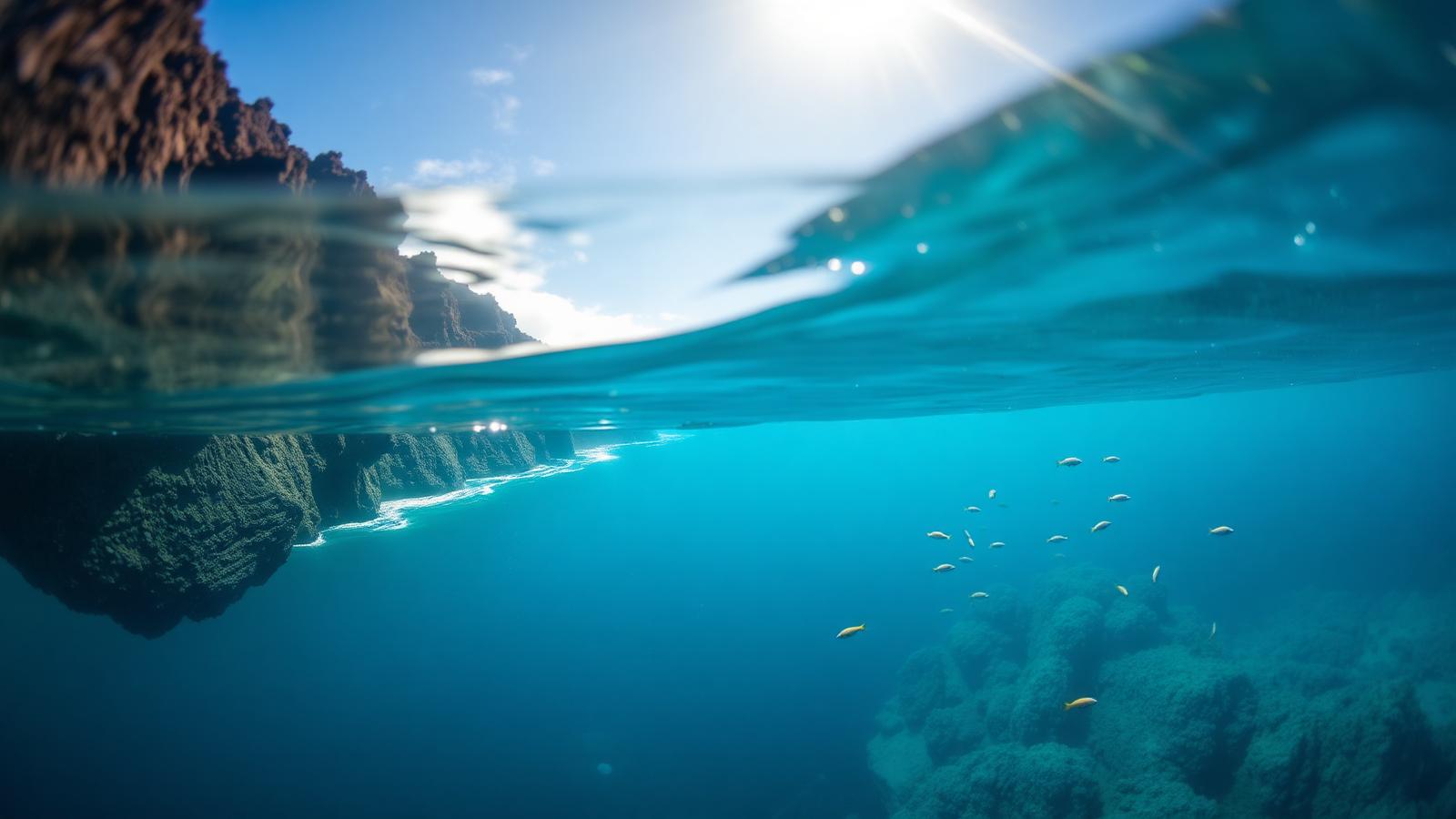
Madeira vs Azores for Diving: Which Atlantic Island Should You Choose?
Both Portuguese island groups offer world-class Atlantic diving, but the experiences are very different. This guide compares Madeira and the Azores side-by-side to help you pick the right one for your trip.
TL;DR — Which one for you?
- Choose Madeira if: you're a beginner or new diver, want easy access from anywhere in Europe, want reliable conditions year-round, value a busy, well-developed tourist destination, or are travelling with non-diving family.
- Choose the Azores if: you're an experienced diver chasing big pelagics (mobula rays, sharks, whales), don't mind harder access and unpredictable weather, want a wild, less-touristy environment, and your trip is in summer (June–October).
- Choose both if: you have 10+ days. Fly Lisbon → Madeira → Lisbon → Ponta Delgada (Azores) for a contrasting two-island trip.
Side-by-side comparison
| Madeira | Azores | |
|---|---|---|
| Best season | Year-round, peak May–Oct | June–Oct only (most operators close in winter) |
| Water temperature | 17–23 °C | 16–24 °C |
| Visibility | 20–40 m | 15–30 m |
| Headline marine life | Giant groupers, manta rays, monk seals | Mobula rays, blue & mako sharks, whales |
| Beginner-friendly | Excellent — calm sites & marine reserves | Mostly intermediate-to-advanced |
| Number of dive shops | 10+ on the main island | 30+ across 9 islands |
| Average 2-tank dive | €90–€110 | €110–€140 |
| Flights from London | 4 h direct | 4–5 h via Lisbon (or seasonal direct) |
| Non-diving activities | Excellent (levadas, food, gardens) | Good (volcanoes, whale watching, hiking) |
Marine life — what each is famous for
Madeira's signature encounters
- Resident dusky groupers — guaranteed close encounters at Garajau Marine Reserve.
- Reliable manta ray sightings between July and October on the south coast.
- Two large recreational shipwrecks at Porto Santo (Madeirense and Corveta).
- Rare but documented monk seal encounters at the Desertas Islands.
Azores' signature encounters
- Mobula ray (devil ray) feeding aggregations at Princess Alice Bank — one of the most spectacular pelagic dives on Earth.
- Open-ocean blue and mako shark dives off Faial and Pico (chartered, advanced only).
- Whales on the surface (sperm, fin, blue) — diving with cetaceans is rare but snorkelling expeditions run all summer.
- Volcanic vents and hydrothermal sites unique to the geology of the Mid-Atlantic Ridge.
Conditions and access
Madeira is the more forgiving destination. The south coast is sheltered from the prevailing Atlantic swell year-round, so dive boats run on the vast majority of days. Sites are 5–15 minutes from port, currents are usually mild, and many top sites work for Open Water divers.
The Azores sit in the open Atlantic with no landmass to shelter them. Conditions are dramatic when good (huge schools, big animals, blue water) but the weather can shut down operations for days, even in summer. Many of the famous sites (Princess Alice, Formigas) are 1.5–3 hours by boat and only run in flat conditions.
Cost and access
Madeira is the cheaper and easier choice for most European travellers. Direct flights run year-round from over a dozen UK and continental cities (4 hours from London). Hotel options range from €40 to €400/night with most divers paying €80–€150 for a comfortable mid-range stay near Funchal.
The Azores typically require a connection through Lisbon (with seasonal direct flights from a few European hubs). Inter-island travel adds further flights or ferries. Diving costs about 20–30% more than Madeira, and accommodation is more limited — booking ahead is essential for the high season.
What about the non-diving days?
Madeira is a more developed tourist destination with broader appeal. Levada hikes, the food scene in Funchal, gardens at Monte, the cable car, dolphin watching, and the wine industry give non-diving days plenty of variety — particularly important if you're travelling with family or non-divers.
The Azores deliver a more rugged, nature-focused experience: volcanoes, geothermal pools, world-class whale watching, and the unique landscapes of São Miguel and Pico. It's wilder and quieter — exactly what some divers want, and exactly what others find too remote.
If this is your first Atlantic diving trip, start with Madeira. If you're an experienced diver who has already 'done' the Mediterranean, the Red Sea and the Caribbean, the Azores will give you encounters you can't get anywhere else. Both islands belong on a serious diver's bucket list.
Frequently asked questions
Is Madeira or the Azores better for beginner divers?
Madeira, by a clear margin. The Garajau Marine Reserve, sheltered south coast and year-round reliable conditions make Madeira one of Europe's best beginner destinations. The Azores has fewer beginner sites and weather can disrupt diving even in summer.
Can you see sharks diving in Madeira?
Sharks are uncommon in Madeira — occasional makos and blues offshore but not on standard dive trips. For shark diving (blue and mako, in particular), the Azores is the better Portuguese destination, with chartered offshore trips from Faial and Pico in summer.
Which is warmer for diving, Madeira or Azores?
Both peak at around 22–23 °C in summer. Madeira's water stays warmer in winter (17–18 °C vs 16 °C in the Azores) and has a longer 'comfortable' season. Azores summers can occasionally hit 24 °C in sheltered bays.
How long should I spend on a Madeira diving trip?
A minimum of 5 days is ideal: enough to dive Garajau, the Caniço cave systems, the Porto Santo wrecks (overnight), and still have a day or two for non-diving activities. Most visitors stay 7–10 days.
Keep reading
The Best Time to Dive in Madeira: Month-by-Month Guide (2025)
Madeira offers diving 365 days a year — but visibility, water temperature and what you'll see vary dramatically by season. Here's everything you need to know to time your trip right.
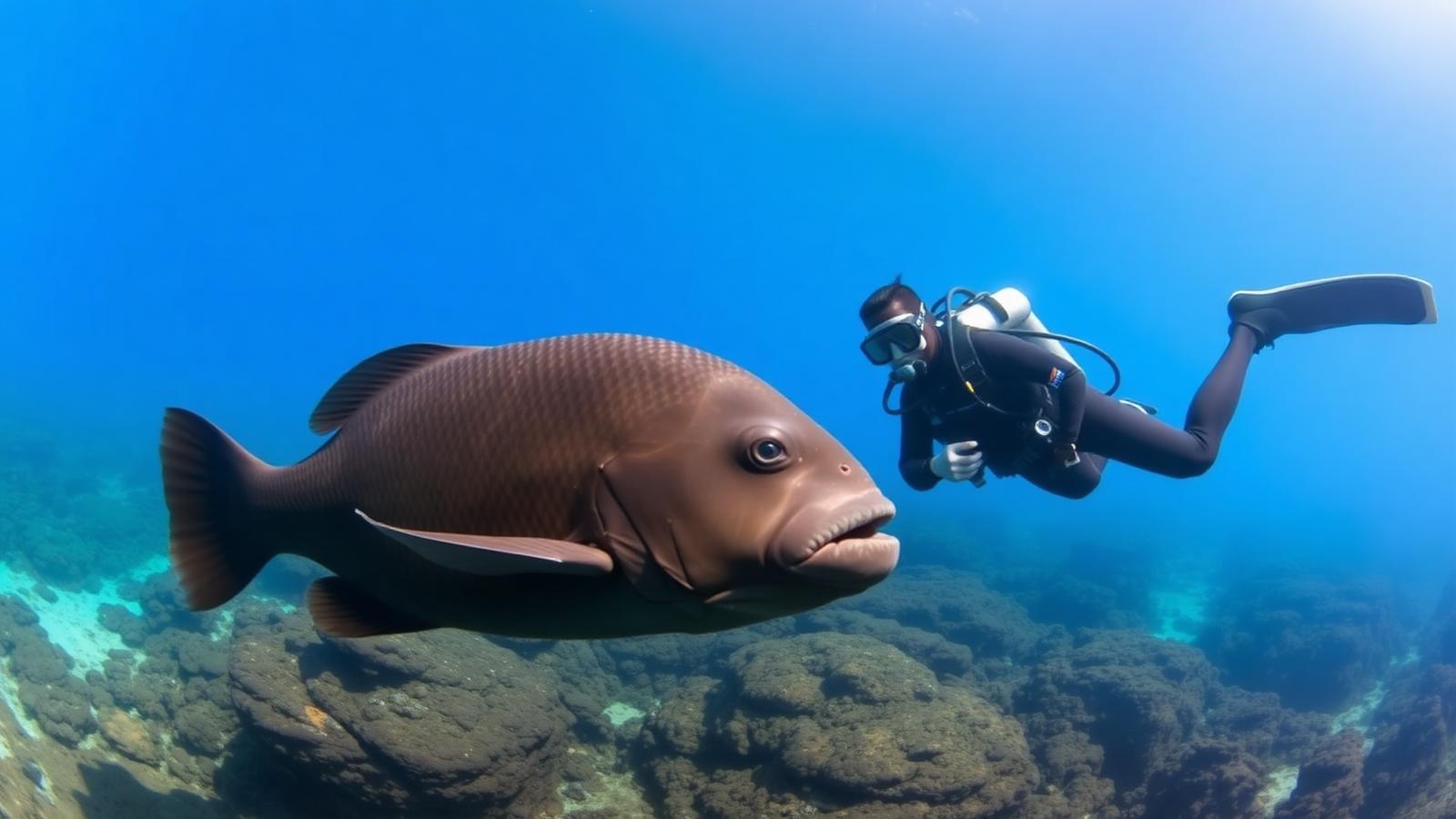
Garajau Marine Reserve: A Complete Diver's Guide
The Garajau Partial Nature Reserve is the most famous dive site in Madeira — and one of the most rewarding shore-and-boat dives in the European Atlantic. Here's why every diver visiting Madeira should put it on their list.