The Best Time to Dive in Madeira: Month-by-Month Guide (2025)
Madeira offers diving 365 days a year — but visibility, water temperature and what you'll see vary dramatically by season. Here's everything you need to know to time your trip right.
Madeira sits in the warm Gulf Stream off the coast of North Africa, which gives it one of the most stable diving climates in Europe. Unlike the Mediterranean, the island has no real off-season — but the experience changes a lot between February and October. This guide breaks down each month so you can pick the right window for your goals: warm water, top visibility, big animals, or no crowds.
TL;DR — When should I dive Madeira?
- Best overall window: June to October — warmest water (21–23 °C), 25–35 m visibility, all sites bookable.
- Best for big pelagics (manta rays, tuna, jacks): August to October.
- Best value & quietest reefs: April, May and November — fewer divers, slightly cooler water.
- Avoid if you're sensitive to cold: January to March, when sea temperatures dip to 17–18 °C.
Month-by-month conditions
| Month | Water °C | Visibility | Air °C | Crowd level |
|---|---|---|---|---|
| January | 17–18 | 15–25 m | 16–19 | Quiet |
| February | 17–18 | 15–25 m | 16–19 | Quiet |
| March | 17–18 | 15–25 m | 17–20 | Quiet |
| April | 18 | 20–30 m | 18–21 | Light |
| May | 19 | 20–30 m | 20–23 | Light |
| June | 20–21 | 25–35 m | 22–25 | Medium |
| July | 22 | 25–35 m | 24–27 | Busy |
| August | 22–23 | 25–40 m | 25–28 | Peak |
| September | 23 | 25–40 m | 24–27 | Peak |
| October | 22 | 25–35 m | 22–25 | Medium |
| November | 20 | 20–30 m | 19–22 | Light |
| December | 18–19 | 15–25 m | 17–20 | Quiet |
Marine life calendar
The big animals follow predictable patterns. Resident species — dusky groupers, barracuda, octopus, moray eels — are present year-round, especially in the Garajau Marine Reserve. Migratory and seasonal species are what most visitors travel for:
- Manta rays — most reliable July to October, occasional sightings May & June.
- Bluefin tuna — large schools August to October on the south coast.
- Mediterranean monk seal — extremely rare year-round; best chances at the Desertas Islands May to September.
- Sea turtles (loggerhead) — common June to November.
- Whale sharks — very rare but documented in late summer (August/September).
What wetsuit will I need?
- December – April: 7 mm semi-dry or 5 mm + hood and gloves.
- May & November: 5 mm full suit.
- June, July & October: 5 mm or thick 3 mm.
- August & September: 3 mm shorty or full suit — most divers are warm enough.
Weather and surface conditions
Madeira's south coast — where most diving happens — is sheltered from the dominant Atlantic swell, so dive boats run on the vast majority of days year-round. The north coast can shut down for days at a time in winter due to swell, but it isn't a major dive area. The Desertas and Porto Santo trips are most reliable from May to October when seas are flattest.
If you want world-class conditions without summer crowds and prices, target the second half of October. Water is still 22 °C, visibility peaks after the summer plankton bloom clears, and dive groups shrink to just 2–4 people.
Frequently asked questions
Can you dive in Madeira in winter?
Yes — diving runs year-round. Water temperatures dip to 17–18 °C in January–March and you'll need a 7 mm wetsuit or semi-dry, but visibility on calm days is still 15–25 m and the south coast is rarely closed by weather.
What is the warmest month to dive in Madeira?
August and September, when sea temperatures peak at 22–23 °C and air temperatures reach 25–28 °C.
When is visibility best in Madeira?
Late August through October typically offers the best visibility (25–40 m) once the spring plankton bloom has cleared and before winter storms arrive.
Do I need to book dives in advance?
In July, August and September you should book at least a few days ahead, especially for the Madeirense wreck and Desertas Islands trips. In other months you can usually book a day in advance.
Keep reading
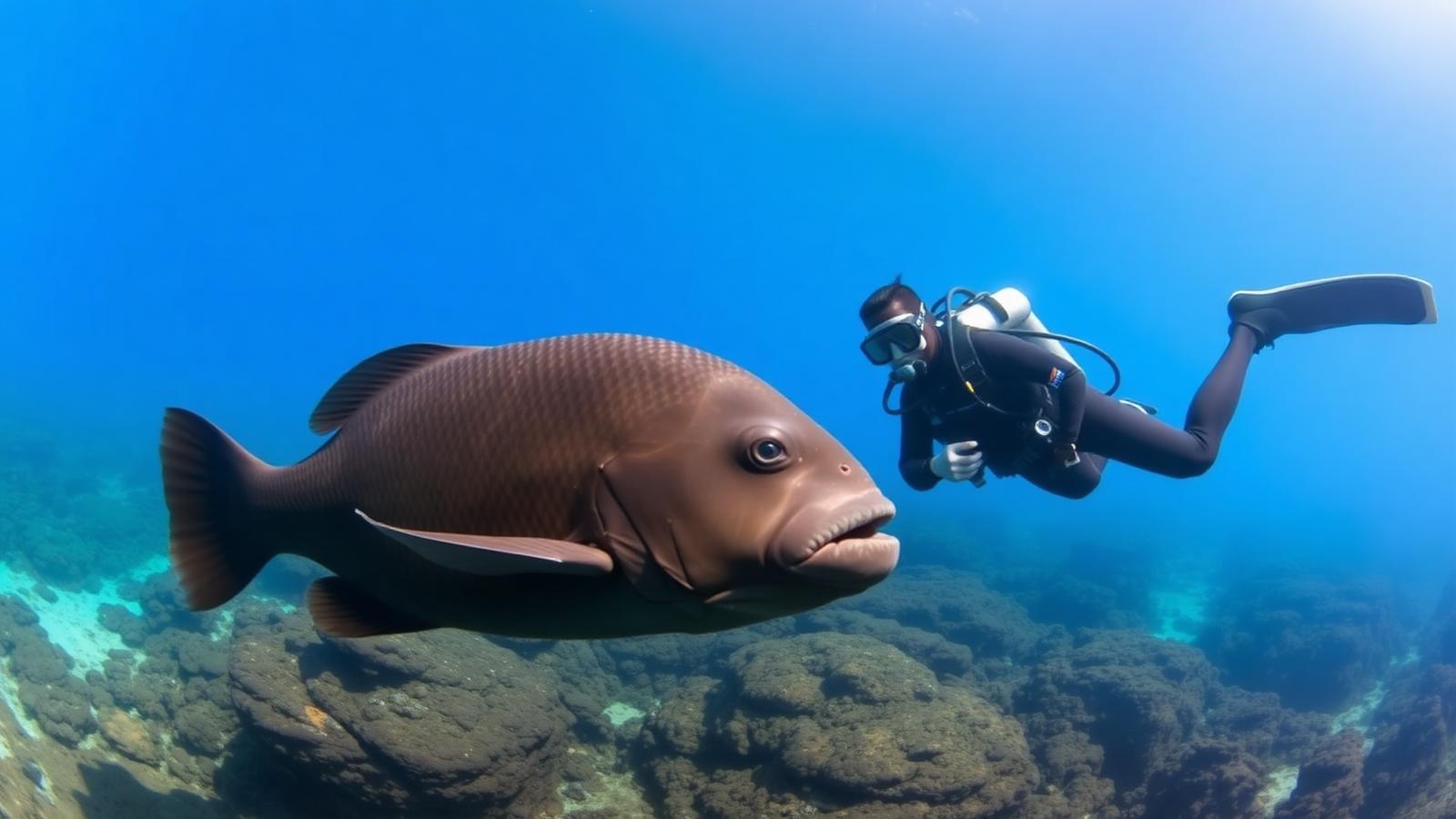
Garajau Marine Reserve: A Complete Diver's Guide
The Garajau Partial Nature Reserve is the most famous dive site in Madeira — and one of the most rewarding shore-and-boat dives in the European Atlantic. Here's why every diver visiting Madeira should put it on their list.
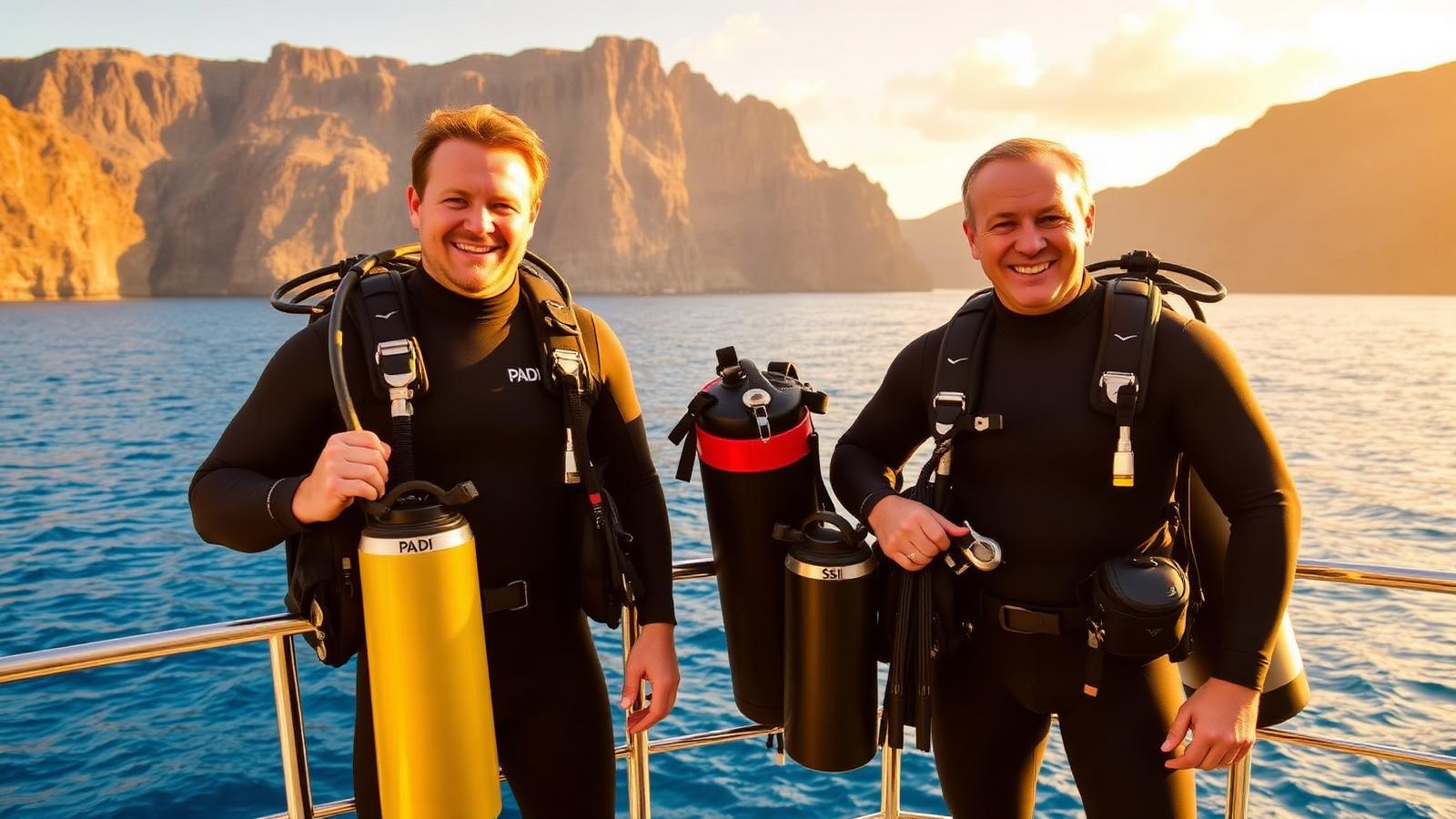
PADI vs SSI in Madeira: Which Certification Should You Choose?
If you're planning your first scuba course in Madeira, you'll see two acronyms everywhere: PADI and SSI. Both are excellent, both are recognised worldwide, and both will get you certified — but there are real differences. Here's how to choose.