Garajau Marine Reserve: A Complete Diver's Guide
The Garajau Partial Nature Reserve is the most famous dive site in Madeira — and one of the most rewarding shore-and-boat dives in the European Atlantic. Here's why every diver visiting Madeira should put it on their list.
Why is Garajau so famous?
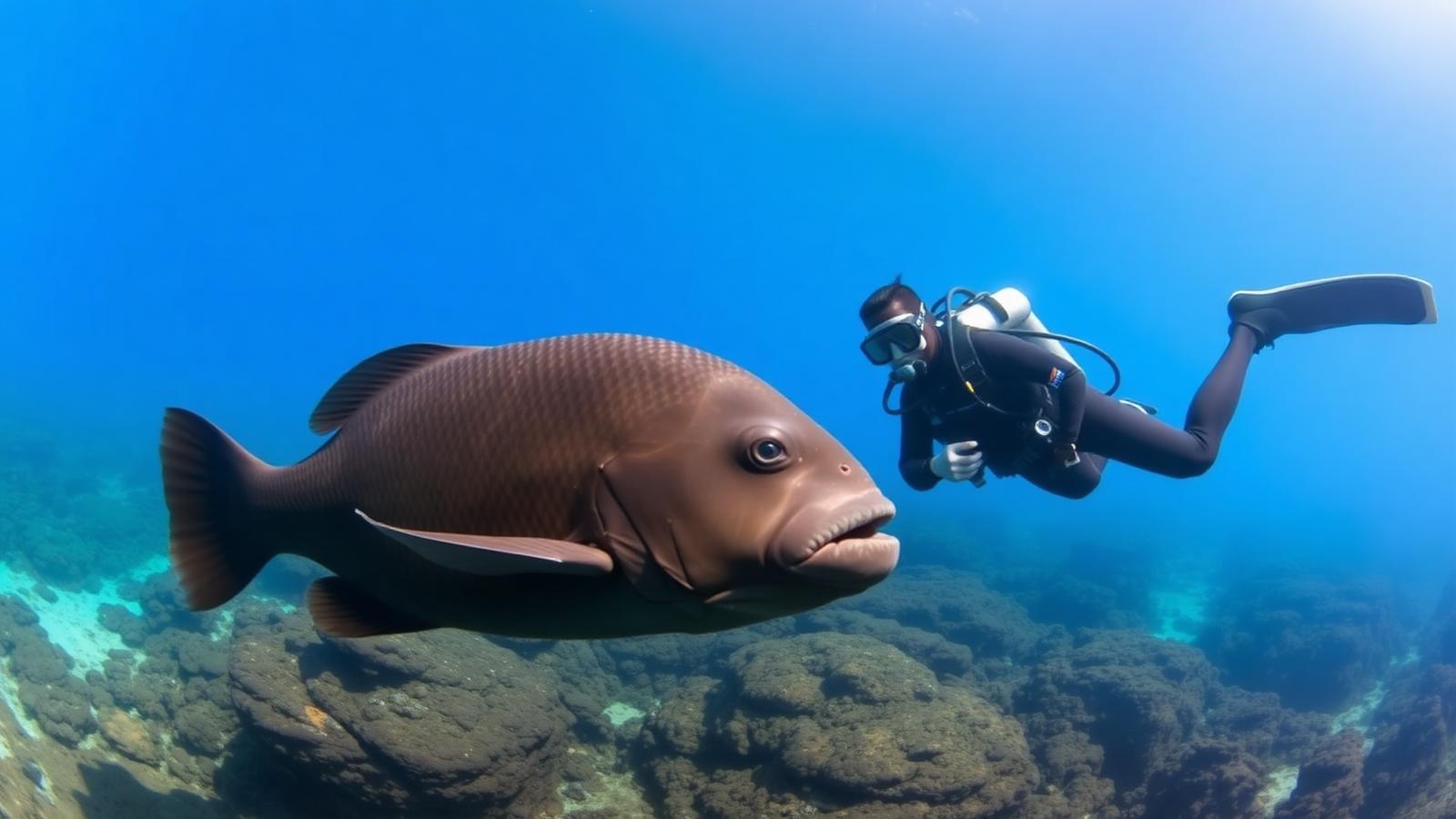
Established in 1986, the Garajau Partial Nature Reserve was Portugal's first fully protected marine reserve. All fishing — commercial, recreational and spear — has been banned along this stretch of coast for nearly 40 years. The result is one of the densest populations of dusky grouper (Epinephelus marginatus) in the entire Atlantic. These fish, which are listed as endangered globally, grow to over 1.5 m here and approach divers with the curiosity of dogs.
The site sits a short boat ride from the village of Caniço de Baixo on Madeira's south coast, just 15 minutes from Funchal. Almost every dive school on the island runs daily trips here.
What you'll see underwater
- Resident dusky groupers — typically 5–15 individuals on every dive, some over 40 kg.
- Schools of barracuda hovering mid-water above the reef.
- Moray eels (brown, fang-tooth) tucked into volcanic rock crevices.
- Octopus, especially around dawn and dusk dives.
- Occasional sightings of manta rays in late summer and very rare visits from monk seals.
- Trumpetfish, Atlantic damselfish, ornate wrasse and parrotfish in huge numbers.
Conditions and difficulty
Garajau is one of the most beginner-friendly world-class dive sites anywhere. Depths range from 8 m to 25 m, currents are usually mild, and the coastal cliffs shelter the site from most surface chop. It works as a check dive for visitors who haven't dived in a while, as a try-dive site for non-certified beginners (Discover Scuba), and as a serene encounter dive for experienced divers who simply want to spend an hour with giant fish.
| Stat | Value |
|---|---|
| Depth range | 8 – 25 m |
| Visibility | 20 – 30 m typical, up to 40 m in late summer |
| Water temperature | 17 – 23 °C depending on season |
| Difficulty | Open Water (beginner) and up |
| Access | Boat (5–10 min from Caniço marina) or shore |
| Best season | All year — peak conditions June to October |
How to dive Garajau
All three top dive schools we feature run guided trips to Garajau several times per week:
- Manta Diving Madeira — based in Caniço, closest to the reserve. Daily trips, multilingual instructors, ideal for first-timers.
- Haliotis Madeira — large dive centre with the widest schedule. Good for combining Garajau with other south-coast sites.
- Tubarão Madeira Divers — small-group operator, great for divers who want a more personal guided experience.
Do not touch, chase or feed the groupers, no matter how friendly they seem. The reserve's success rests entirely on divers respecting these rules — and operators who break them lose their permits.
Shore dive or boat dive?
A boat dive (around €45–€60 with gear) gets you straight to the best parts of the reef in 5 minutes. A shore dive from Reis Magos beach is cheaper but requires a long surface swim and is less comfortable for first-timers. For most visitors the boat dive is well worth the small extra cost.
Frequently asked questions
Do I need to be certified to dive Garajau?
No — most schools offer a Discover Scuba Diving experience that takes complete beginners (with no certification) into the reserve under the direct supervision of an instructor. Certified Open Water divers and above can dive normally.
How much does it cost to dive Garajau Marine Reserve?
Expect €45–€60 for a single boat dive including all gear, or around €80–€100 for a two-tank trip. A Discover Scuba try-dive runs €90–€120.
Can I free-dive or snorkel in the Garajau reserve?
Snorkelling is allowed and excellent — the groupers come right up to the surface. Spearfishing of any kind is strictly forbidden.
Is Garajau crowded?
It's the busiest dive site in Madeira, but the reserve is large enough that boats spread out. Booking with smaller operators or diving early morning (8–9 AM) usually means having sections of reef to yourself.
Keep reading
The Best Time to Dive in Madeira: Month-by-Month Guide (2025)
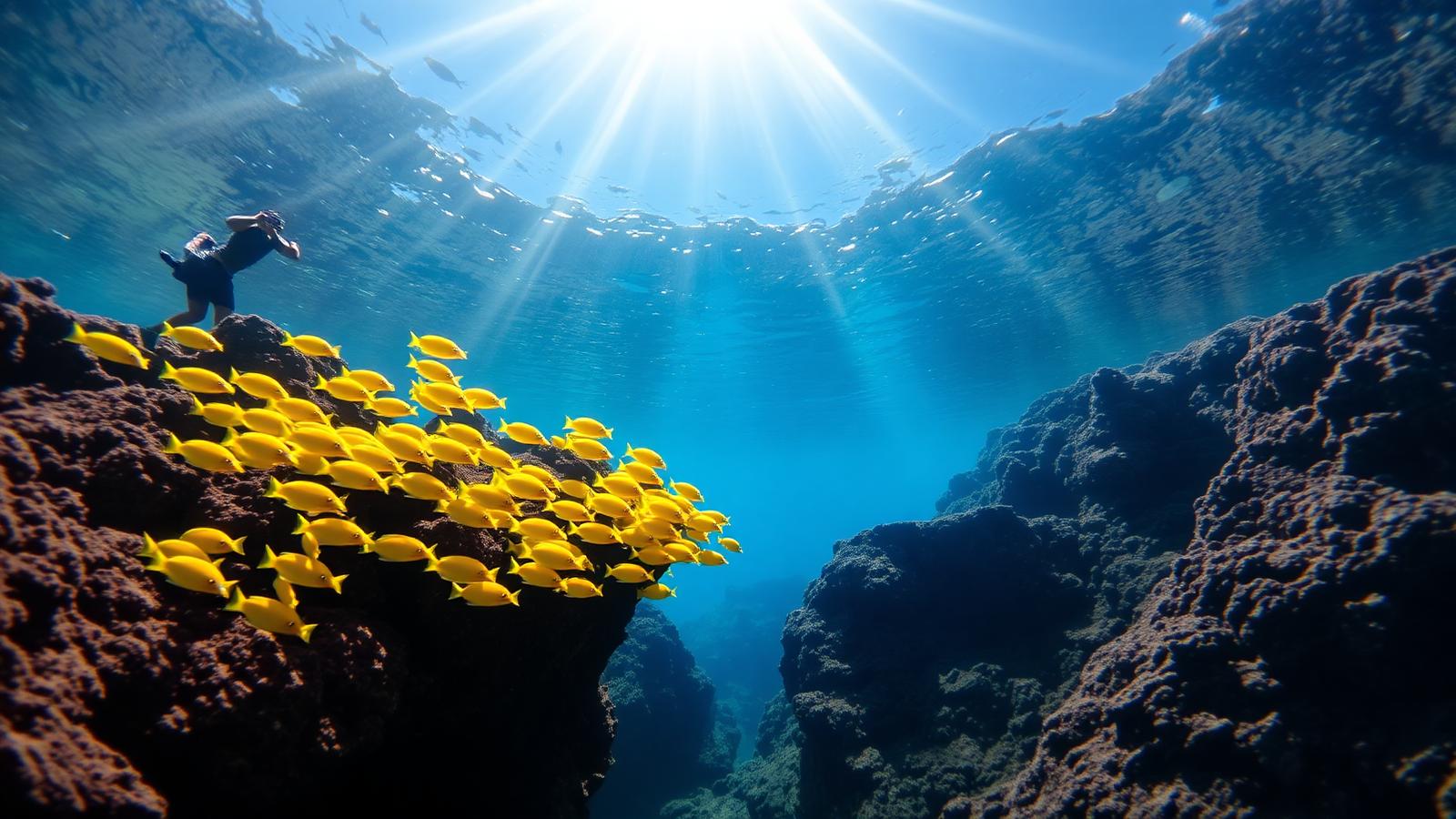
Madeira offers diving 365 days a year — but visibility, water temperature and what you'll see vary dramatically by season. Here's everything you need to know to time your trip right.
PADI vs SSI in Madeira: Which Certification Should You Choose?
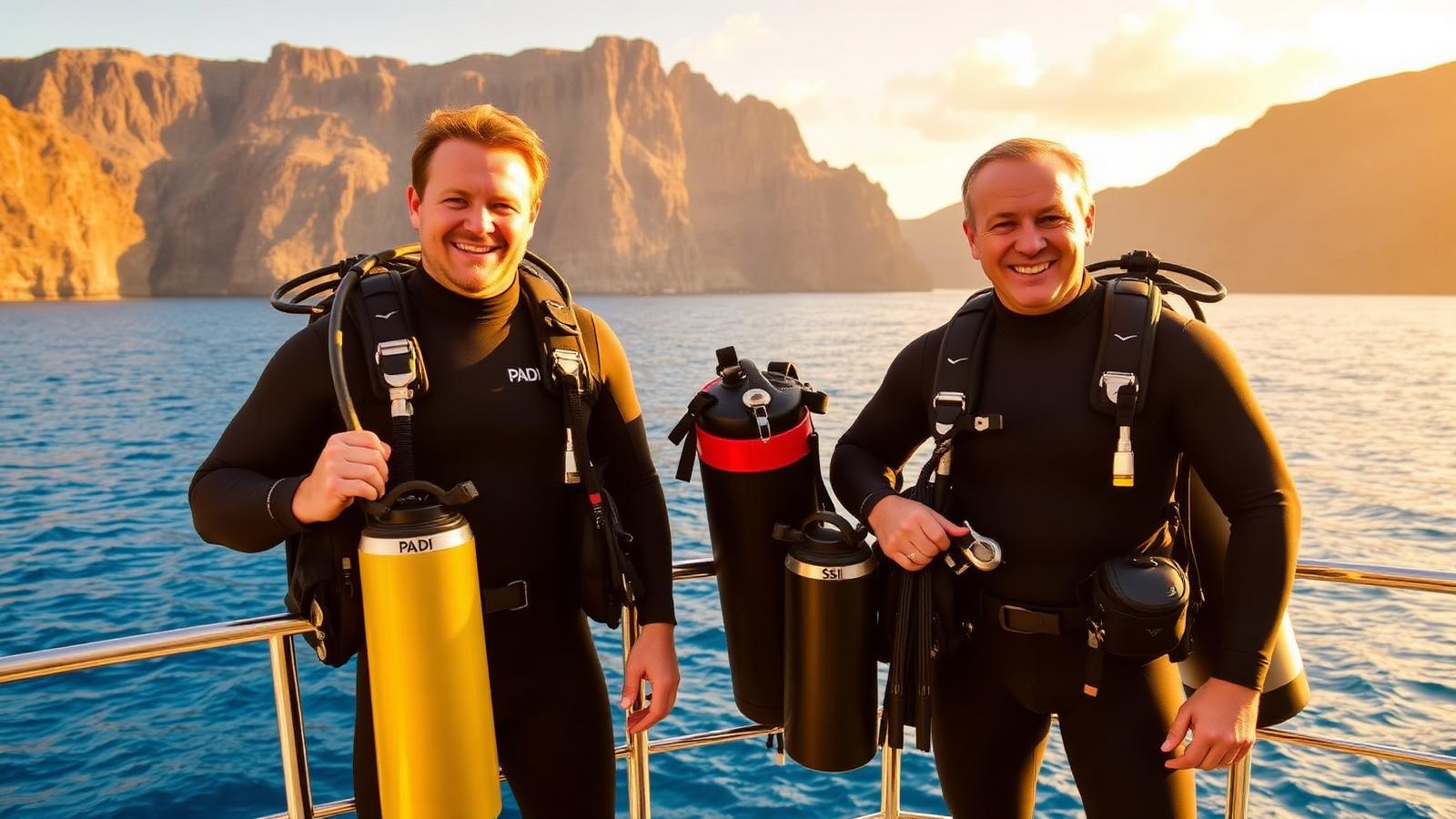
If you're planning your first scuba course in Madeira, you'll see two acronyms everywhere: PADI and SSI. Both are excellent, both are recognised worldwide, and both will get you certified — but there are real differences. Here's how to choose.