Caves & Cathedrals: Madeira's Best Underwater Rock Formations
Madeira's volcanic origin gives it some of the most dramatic underwater topography in the Atlantic — towering basalt arches, sun-pierced caverns and labyrinthine swim-throughs. Here's where to find them, what to expect, and how to dive them safely.
Most divers come to Madeira for the marine life — the dusky groupers of Garajau, the manta rays off Porto Santo, the occasional monk seal in the Desertas. But seasoned divers know the island's volcanic geology is just as much of a draw. Lava tubes, collapsed gas chambers and basalt columns have left a coastline carved with caverns, arches and swim-throughs that rival anything in the Mediterranean.
This guide covers the four best cave and cathedral dive sites on the island, what certification you need to dive each one, and the safety considerations specific to volcanic overhead environments.
Caverns vs. caves vs. swim-throughs: know the difference
Before booking, it helps to understand what dive operators actually mean by these terms — they have specific definitions in recreational diving and they affect what training you need.
| Term | Definition | Certification needed |
|---|---|---|
| Swim-through | A short tunnel or arch where daylight is visible at both ends and the exit is always within easy reach. | Open Water (with guide) |
| Cavern | An overhead environment where natural light from the entrance is always visible. Penetration limited to ~40m from surface. | Open Water + cavern-trained guide |
| Cave | True overhead environment where you lose sight of natural light. Requires specialised training and redundant equipment. | Full cave certification |
All recreational sites on this list are caverns or swim-throughs — none require full cave certification. If a guide ever invites you into a true overhead environment without cave training, decline politely and surface.
1. Cabo Girão — the cathedral
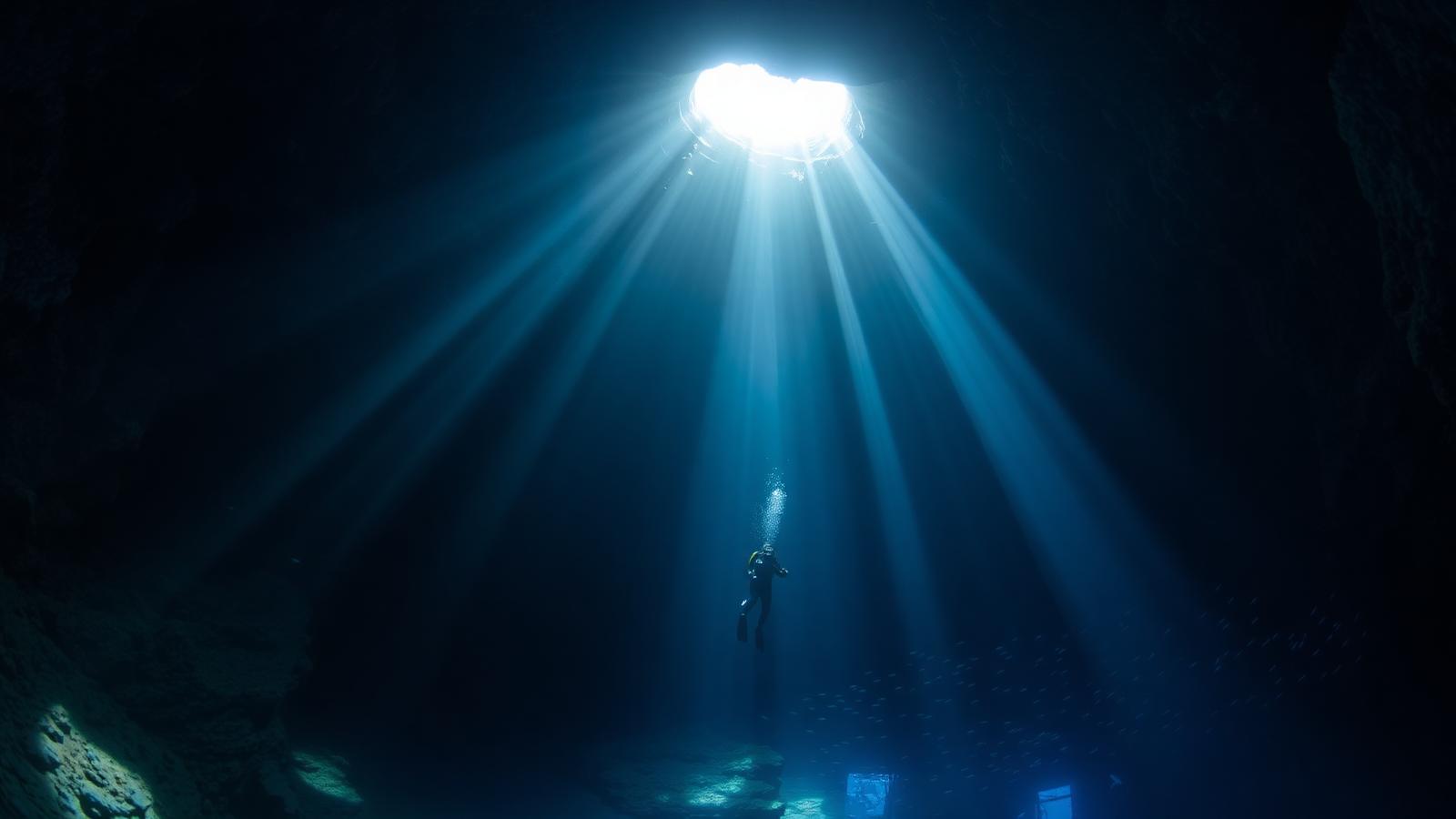
Beneath one of Europe's highest sea cliffs (580m above the water) lies one of Madeira's most photographed underwater features: a massive basalt cathedral with a vaulted ceiling, two side entrances and shafts of light that pour through cracks in the roof when the sun is high.
- Depth: 12–22m inside the cathedral; up to 30m on the outer wall.
- Visibility: typically 15–25m, best from June to October.
- Marine life: large schools of barracuda hover near the entrances; ornate wrasse and parrotfish patrol the walls.
- Best time of day: 11:00–14:00 for the strongest light shafts through the ceiling cracks.
- Difficulty: AOWD recommended due to depth and the optional swim-through at 22m.
The dive is usually run from Câmara de Lobos, a 10-minute boat ride away. Most operators combine it with a second dive at a nearby pinnacle for a half-day trip.
2. Caniço de Baixo — the cave system
Caniço de Baixo, on the south coast just east of Funchal, is the busiest dive area in Madeira — and for good reason. The reef here is riddled with caverns formed by collapsed lava tubes, ranging from short swim-throughs to a 30-metre-long cavern with multiple skylights.
- Depth: 8–18m, perfect for long bottom times.
- Visibility: 10–20m year-round; the sheltered bay is divable in almost any weather.
- Marine life: moray eels in nearly every crack, octopus, slipper lobsters, and the occasional resting stingray on sand patches near the entrances.
- Best for: Open Water divers who want their first cavern experience in a controlled, well-lit environment.
- Difficulty: Open Water with a guide — one of the easiest cavern dives in Europe.
3. Reis Magos — the three kings arch
Just east of Caniço, the Reis Magos site features a trio of basalt arches stacked like vertebrae along a sloping reef. The largest arch is wide enough for two divers to swim through side-by-side, and the play of light through the openings makes it a favourite for underwater photographers.
- Depth: 10–25m across the three arches.
- Visibility: 15–25m in summer, dropping to 8–12m after winter storms.
- Marine life: dusky groupers occasionally venture this far west from the Garajau reserve; large schools of damselfish swarm the arch entrances.
- Difficulty: Open Water for the shallow arches; AOWD for the deepest one at 25m.
4. Ponta de São Lourenço — the wild east
The peninsula at the eastern tip of Madeira is the island's wildest stretch of coastline, with sea caves carved by Atlantic swell over millennia. Diving here requires settled weather and a boat from Machico or Quinta do Lorde marina, but the reward is a series of caverns rarely visited by other dive groups.
- Depth: 6–20m depending on the cavern.
- Visibility: variable — 10–25m, often best in early autumn after the summer plankton bloom subsides.
- Marine life: the most pelagic action of any cave site — expect tuna, amberjacks and the occasional ray cruising past entrances.
- Difficulty: AOWD recommended due to surge inside the larger caverns.
- Conditions: only divable on calm days; trips are weather-dependent and often cancelled in winter.
Madeira's caverns look forgiving, but surge can build quickly inside narrow passages and silt can drop visibility to zero in seconds if a fin kicks the bottom. Even AOWD-certified divers should never enter these sites without a local guide who knows the entrances, exits and current patterns.
Equipment and safety considerations
- Bring a primary torch even in daylight — many caverns have shadowed corners where a light reveals octopus, lobster and morays you'd otherwise miss.
- Maintain perfect buoyancy. Touching the bottom or scraping the walls silts out the water for everyone behind you.
- Use frog kicks rather than flutter kicks inside caverns to avoid stirring sediment.
- Never enter a passage you can't comfortably turn around in.
- Keep your guide in sight at all times — Madeira's volcanic rock is jet black and disorientation happens fast.
Which cave site should you dive first?
If you only have time for one cavern dive on your trip, make it Cabo Girão — it's the most spectacular topography on the island and the cathedral light show is genuinely unforgettable. If you have two days, add Caniço de Baixo for a relaxed shallow cavern crawl with high marine life density. Save São Lourenço for a return trip when you're confident with surge and want something off the standard tourist trail.
Frequently asked questions
Do I need a cave diving certification to dive Madeira's caves?
No. All the recreational cave sites in Madeira are technically caverns or swim-throughs — natural light is always visible from the entrance. Open Water or Advanced Open Water certification is sufficient for every site listed in this guide, provided you dive with a local guide.
Are Madeira's caves suitable for first-time cavern divers?
Yes — Caniço de Baixo in particular is one of the most beginner-friendly cavern environments in Europe. It's shallow, well-lit, and the passages are short. Most dive schools will happily introduce certified Open Water divers to cavern diving here.
What's the best month for cave diving in Madeira?
September and October offer the best combination of warm water (22–24°C), maximum visibility (often 25m+), and high sun angle for dramatic light shafts. June through August are also excellent. Winter is divable but storms can reduce visibility and cancel boat trips to exposed sites like São Lourenço.
How much does a cave dive cost in Madeira?
Expect to pay €55–75 for a single guided cavern dive including equipment, or €90–120 for a two-tank boat trip combining Cabo Girão with another nearby site. Prices are similar across reputable operators in Funchal, Caniço and Câmara de Lobos.
Keep reading
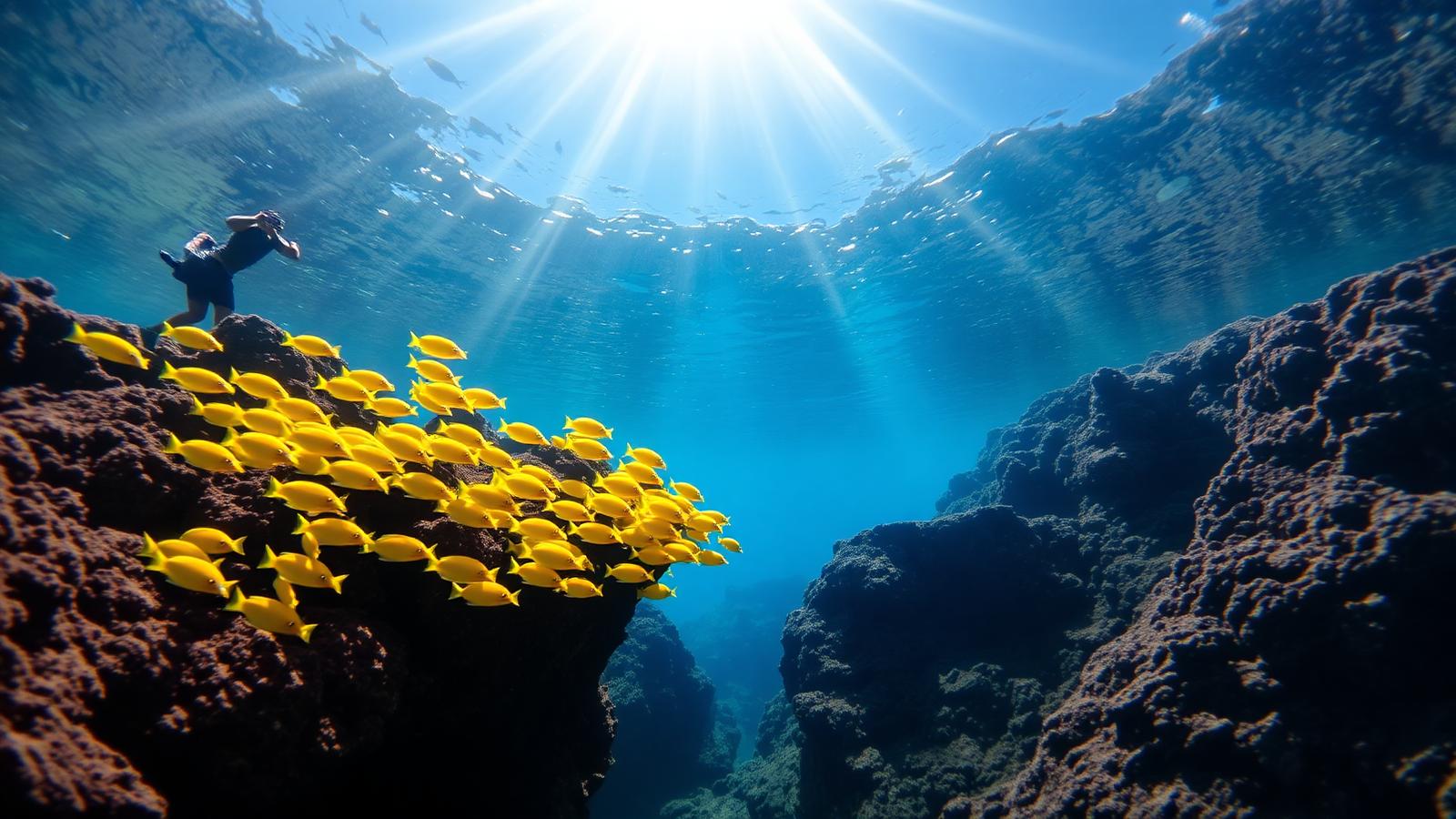
The Best Time to Dive in Madeira: Month-by-Month Guide (2025)
Madeira offers diving 365 days a year — but visibility, water temperature and what you'll see vary dramatically by season. Here's everything you need to know to time your trip right.
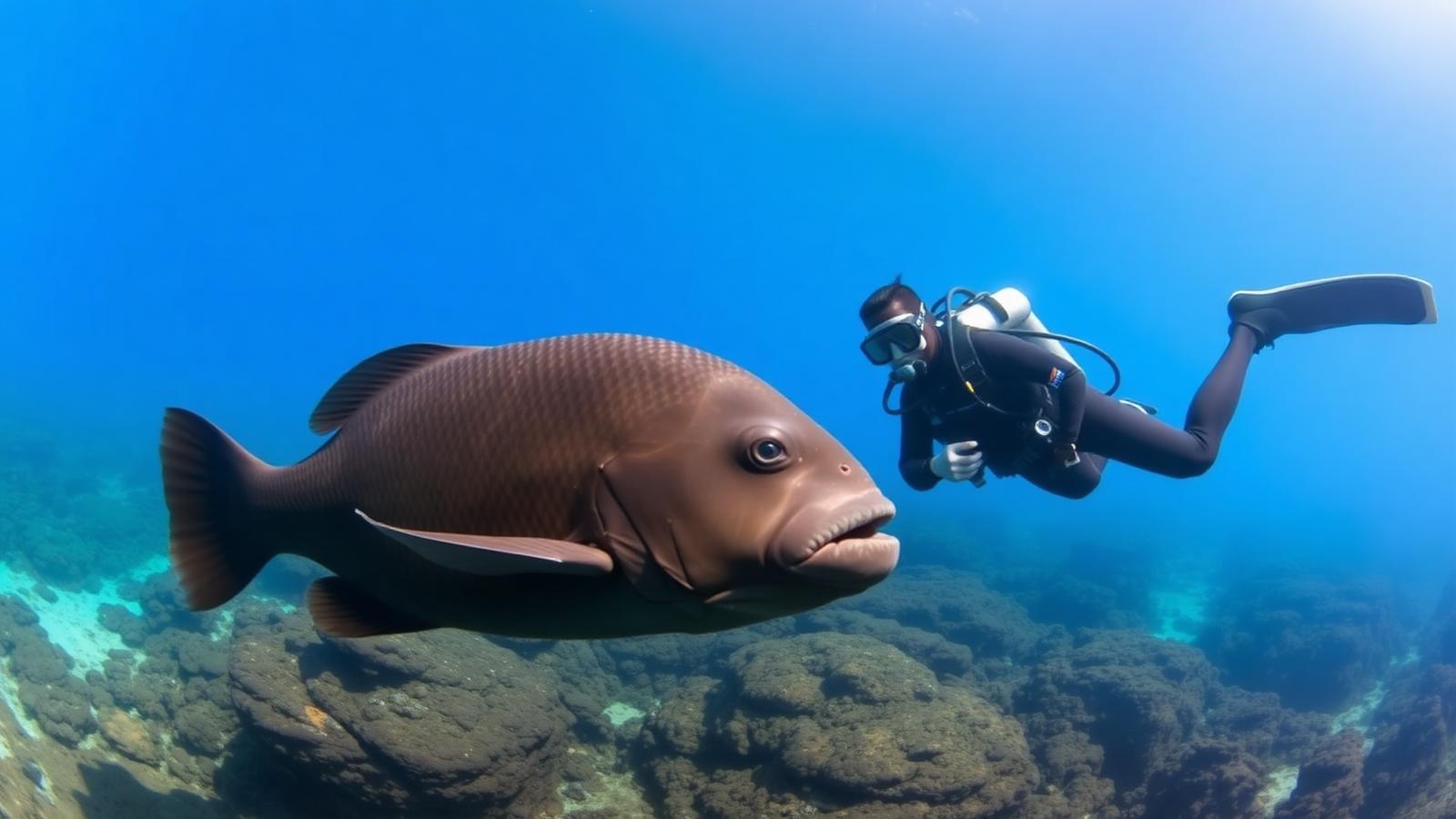
Garajau Marine Reserve: A Complete Diver's Guide
The Garajau Partial Nature Reserve is the most famous dive site in Madeira — and one of the most rewarding shore-and-boat dives in the European Atlantic. Here's why every diver visiting Madeira should put it on their list.